Yarrow - The Soldier’s Woundwort
Achillea millefolium
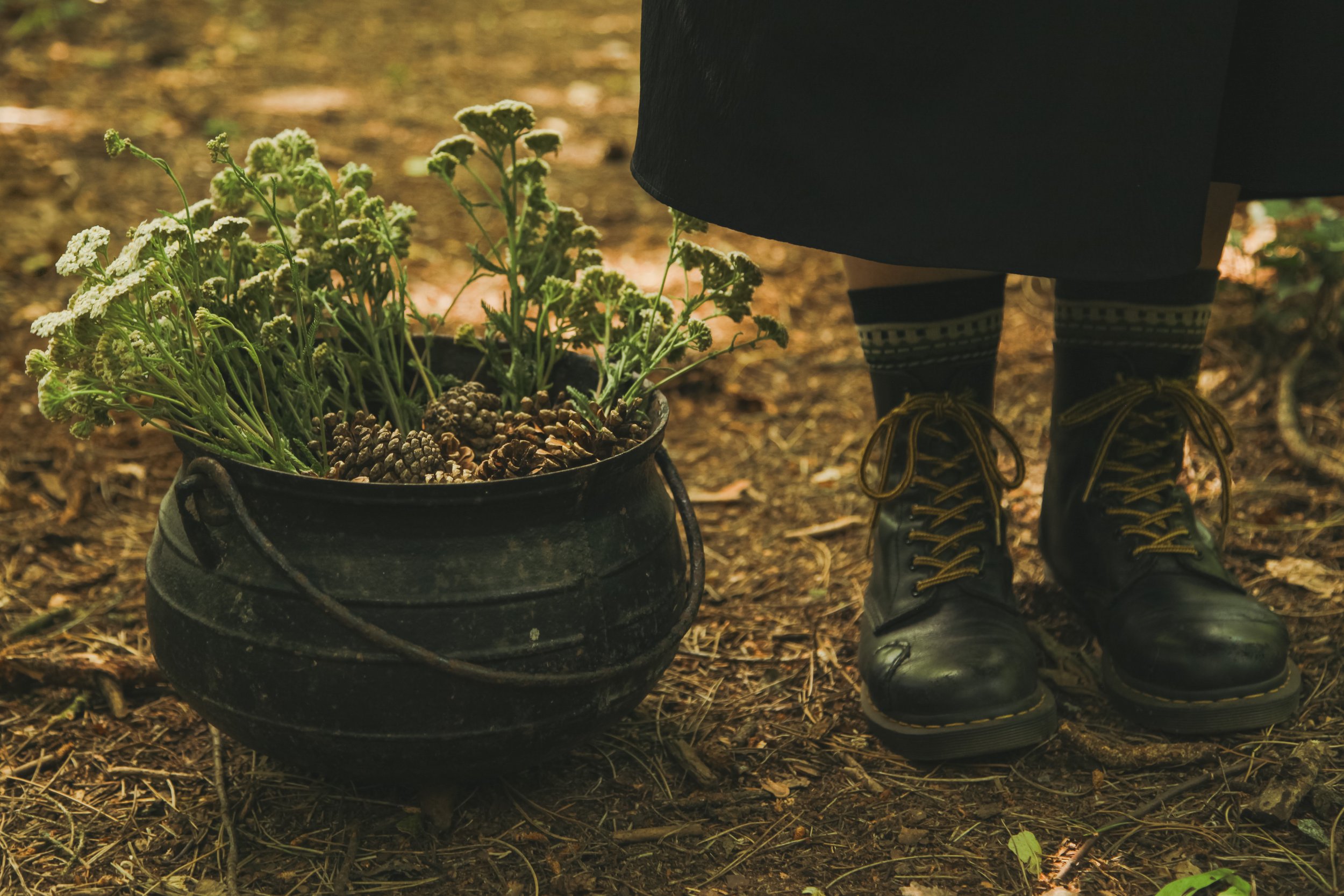
Folk names: Soldier’s woundwort, Milfoil, Devil’s plaything, Devil’s nettle, Staunch weed, Bloodwort
Parts used: The whole plant
Energetics: Bitter, cooling & stimulating
Yarrow is part of the Asteraceae family. Other members of this plant family include Dandelion and Daisy.
The name Achillea means “herb of Achilles”. The centaur Chiron taught Achilles how to use the herb to treat his soldiers’ wounds during the Trojan War. This is due to Yarrow’s powerful styptic (stopping bleeding) action. When applied topically, it also has a vulnerary action, meaning it promotes tissue repair, healing, and wound closing. Unsurprisingly, it’s a popular first aid treatment, particularly for nosebleeds. Other topical uses are for the treatment of toothache and hair loss.
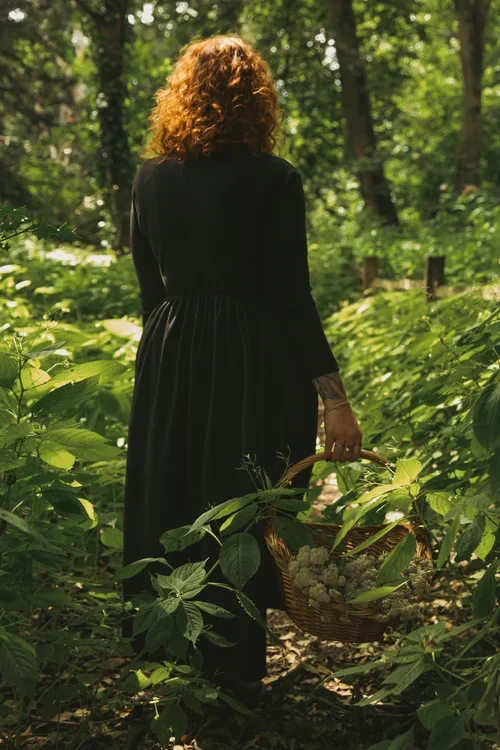
A herb with a long history spanning tens of thousands of years, Yarrow is a powerful diaphoretic, meaning it induces sweating and increases circulation to the skin's surface. When taking Yarrow internally, the body will break out into a healing sweat, lowering the body temperature and making it an effective treatment for fevers and inflammatory heat. The medicinal actions don’t stop there. As well as being an astringent (drying), anti-inflammatory, antiseptic, antispasmodic herb, Yarrow assists the lymphatic system and kidneys to help flush out toxins and metabolic waste. Its effect on the circulatory system makes it a suitable herb when treating Raynaud’s disease.
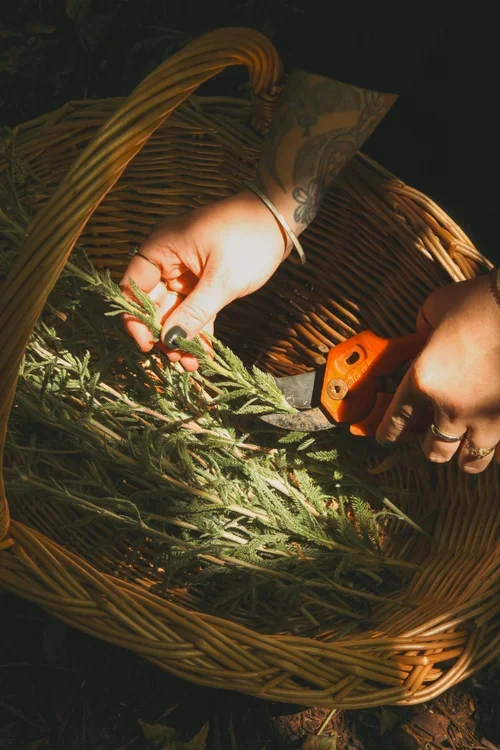
The plant has a deep-rooted history in both eastern and western mysticism. During the Middle Ages, Yarrow was used by and against witches, and to keep evil spirits away and ward off negativity. Druids used Yarrow stalks as divination tools, believing that it would help with love, amplify their intuition, help them seek spiritual guidance, and to predict the weather. When worn, it is believed that Yarrow protects the wearer and removes fear.
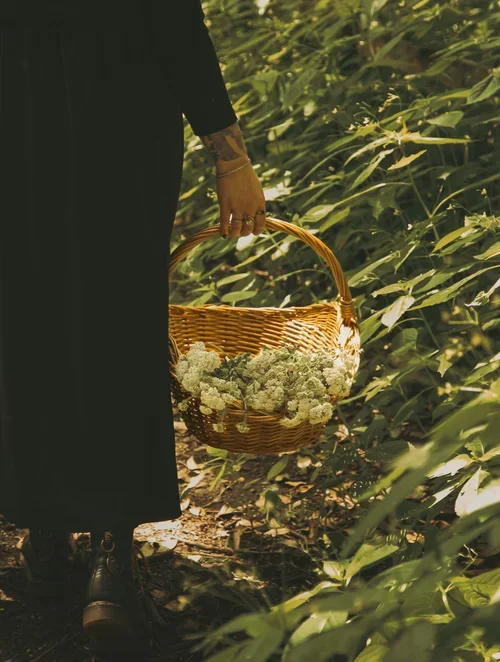
The name millefolium means “thousand-leaved” and refers to the feathery leaves of the plant. The distinctive fern-like leaves make it easier to identify when foraging. In Lincolnshire, I often find it growing prolifically along riverbanks, in woodlands, meadows, parks, and on roadsides. It is best gathered when the plant is in flower during the warmer months.
Caution
Avoid during pregnancy and with very young children. Avoid if you have a known allergy to other members of the Asteraceae family. Large doses may cause headaches.
Disclaimer
This content is for educational purposes only and is not a substitute for professional medical advice, diagnosis or treatment. Always consult a qualified medical practitioner/herbalist before starting a new herbal regimen.
Always exercise extreme caution and use multiple sources to verify positive identification when foraging and consuming wild plants. Improper identification can be deadly. Don’t forage near heavily trafficked roads, areas with industrial pollution and agricultural field edges that may have been sprayed with pesticides. Local councils often spray weedkiller in densely populated areas where many plants grow.
Books Referenced
Lucy Jones – A Working Herbal Dispensary: Respecting Herbs as Individuals
Ali English – Wild Medicine: A Seasonal Journey with Medicinal Plants
Julie Bruton-Seal & Matthew Seal – Hedgerow Medicine & The Herbalists Bible
James Green - The Herbal Medicine-Makers Handbook
