Dog Rose - The Wild Rose of the Wayside
Rosa canina
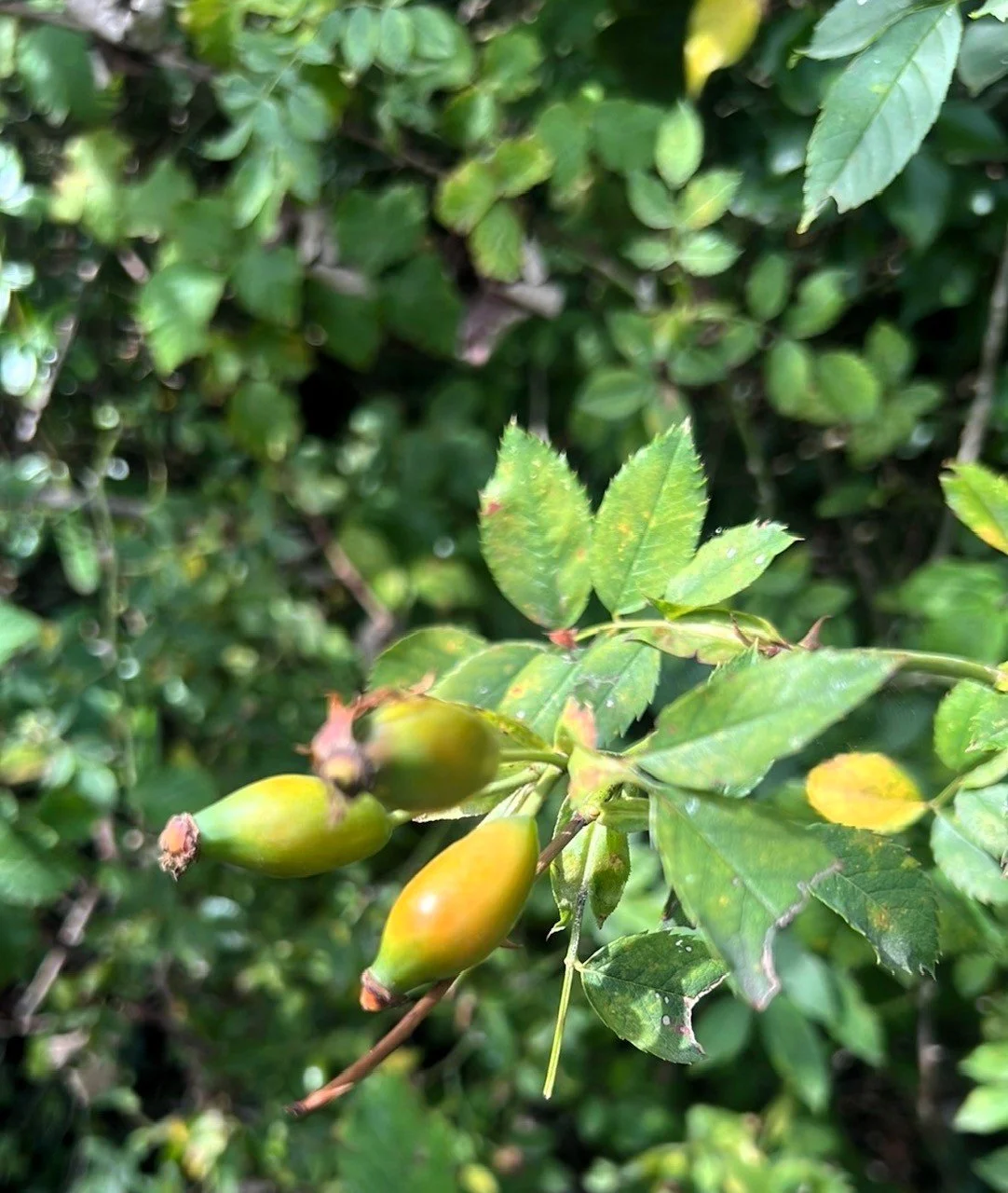
Rosehips beginning to ripen.
Photo taken in late September 2025
Folk Names: Witch’s Briar, Dog Berry, Horse-Bramble, Pig’s Nose
Parts used: Hips, Leaves & Flowers
Energetics: Cooling, Drying
A wild rose species native to Europe, Northwest Africa, and Western Asia, Rosa canina has an impressive history spanning hundreds of years. It’s a familiar sight in hedgerows, woodland edges and grasslands, producing delicate, lightly fragrant flowers in early summer, which attract pollinating insects and moths. From August onwards, this wild rose produces hips that provide sustenance to many birds, including Blackbirds, Greenfinches and Thrushes. Fallen rosehips feed small mammals living amongst the leaf litter as the weather turns colder, making it important to forage responsibly and leave enough fruit behind for the wildlife that depends on it, particularly as other food sources become scarce.
History & Origins
First recorded in botanical history by English naturalist William Turner in 1538, the plant is a member of the Rosaceae family, which includes 4,828 known species. Many familiar edible and medicinal plants belong to this family, including apples, strawberries, raspberries, hawthorn and meadowsweet. Although Dog Rose is the most common wild rose, it can sometimes be confused with Fieldbriar (Rosa agrestis) and Sweetbriar (Rosa rubiginosa).
The name Dog Rose originates from the medieval belief that the plant could cure rabies, caused by the bite of a mad dog. It is believed that this idea was later translated into the name we have today. Additionally, it is thought that the hooked thorns on the plant resemble dogs’ canines, which may also have led to its common name.
The most famous Dog Rose is the Thousand-Year Rose of Hildesheim in Germany, which has climbed the cathedral wall since around 815AD and even survived bombings in World War II. It is believed to be the oldest living rose in the world.
During World War II, when citrus fruit imports were restricted, governments had citizens and children gather dog rose hips to make vitamin C syrup, and the shrub was commonly planted in victory gardens. I think this is a brilliant example of how medicinal plants can be utilised in times of crisis. Governments aren’t always reliable, but Mother Nature always provides.
Folklore
In medieval Europe, Dog Rose was associated with protection from unwanted influences. Branches were hung near thresholds to keep away evil spirits and negativity, and the distinctive hooked thorns were incorporated into charms and spells intended to ward off harm and attract good fortune.
When preparing rosehips, always take extra care to remove the irritating hairs found within the hips. The fine hairs surrounding the seeds inside the rosehips were traditionally removed and used as “itching powder” — a childhood prank that earned the Dog Rose another place in folklore.
Identifying Dog Rose
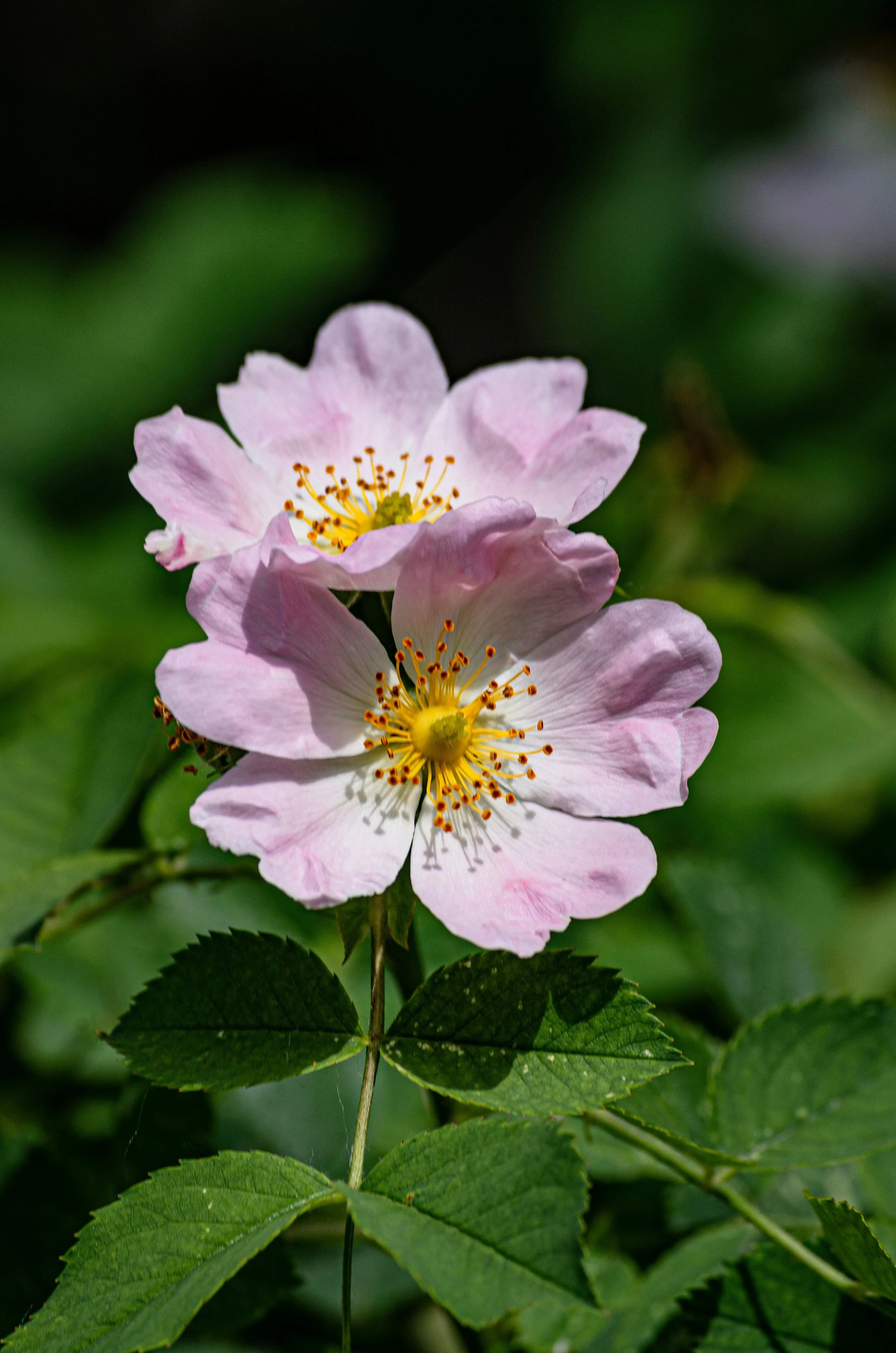
Pale pink flowers of the Dog Rose
Rosa canina is a deciduous rambling shrub, with arching stems, pinnate leaves, and hooked thorns, which help the plant to scramble up walls and taller trees. The flower petals vary from white to a soft pink and surround multiple stamens. The hips mature from green to a beautiful vivid red, making the shrub easy to spot when wandering along the hedgerows in the autumn. The hips are a firm favourite in our home. Each autumn, we visit nearby woodlands to forage hawthorn berries, rosehips and sloes, which we often find growing next to one another.
Culinary Uses
The plant has a multitude of medicinal and culinary uses. The hips can be made into syrups, jellies, cordials, sweet wines and teas. The petals, while less fragrant than those of cultivated roses, can be used to make jam.
Rosehip syrup is a fantastic way to get some extra vitamin C during the colder months. The sweet, fruity, slightly tangy flavour is always a hit with my children, and they often ask for a teaspoon of it each morning before school.
Below is a link to my favourite tried-and-tested recipe for rosehip syrup. It’s simple to make and always a big hit in our home.
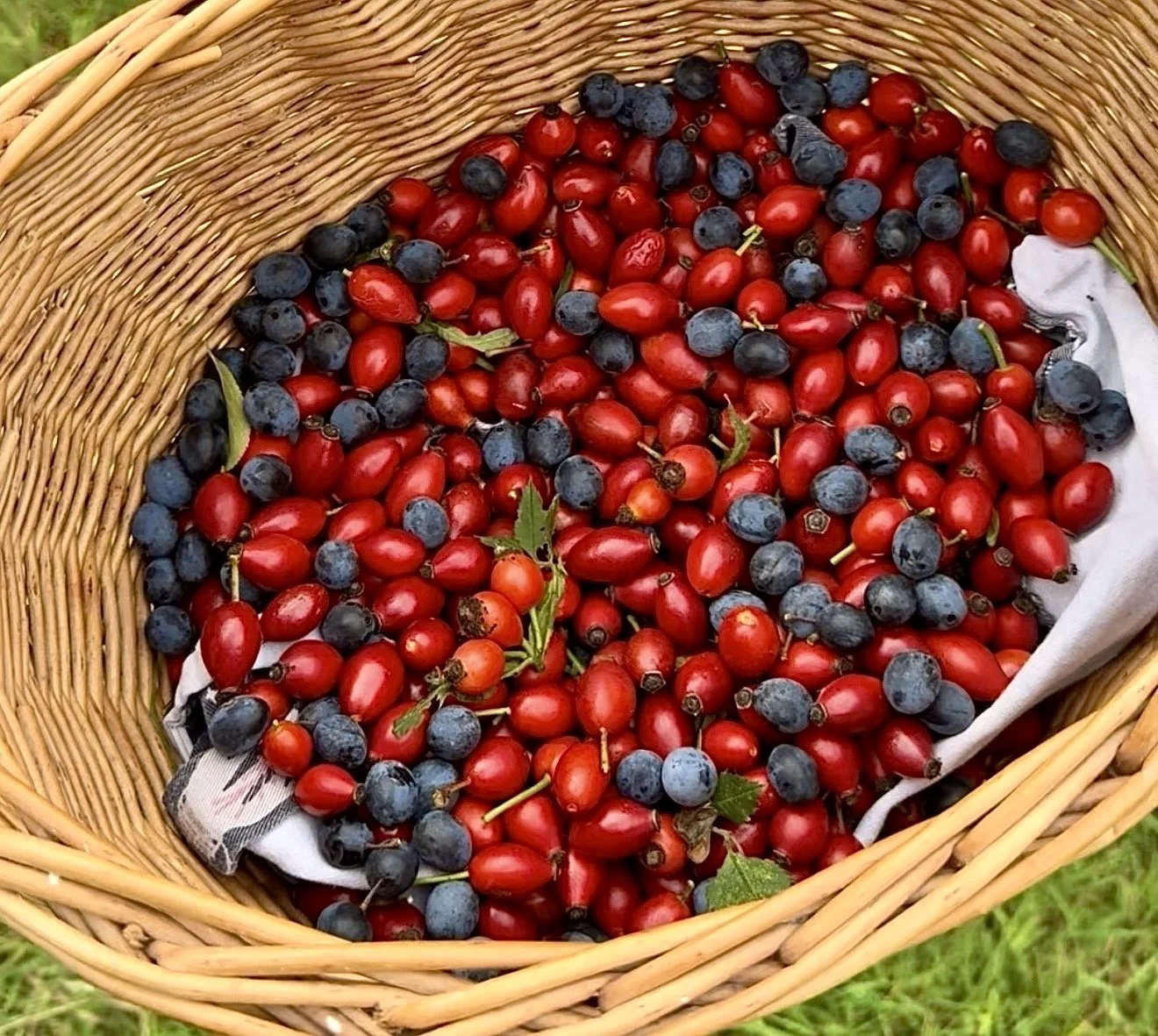
Foraged rosehips and sloes.
Taken in Lincolnshire, October 2025
Medicinal Uses
Beyond its familiar use as a source of rosehips, Dog Rose has a long history in traditional herbal medicine. Its astringent, anti-inflammatory and antimicrobial properties have made different parts of the plant useful internally and externally.
The leaves contain tannins and other plant compounds and have traditionally been used for digestive issues such as diarrhoea, stomach upset and inflammation. Their astringent quality gives them a gently binding and toning action. Herbalist Lucy Jones also makes an interesting distinction between the leaves: younger leaves are said to have a more laxative effect, while older leaves become more astringent and therefore more binding - worth taking into account if you plan on using the leaves internally.
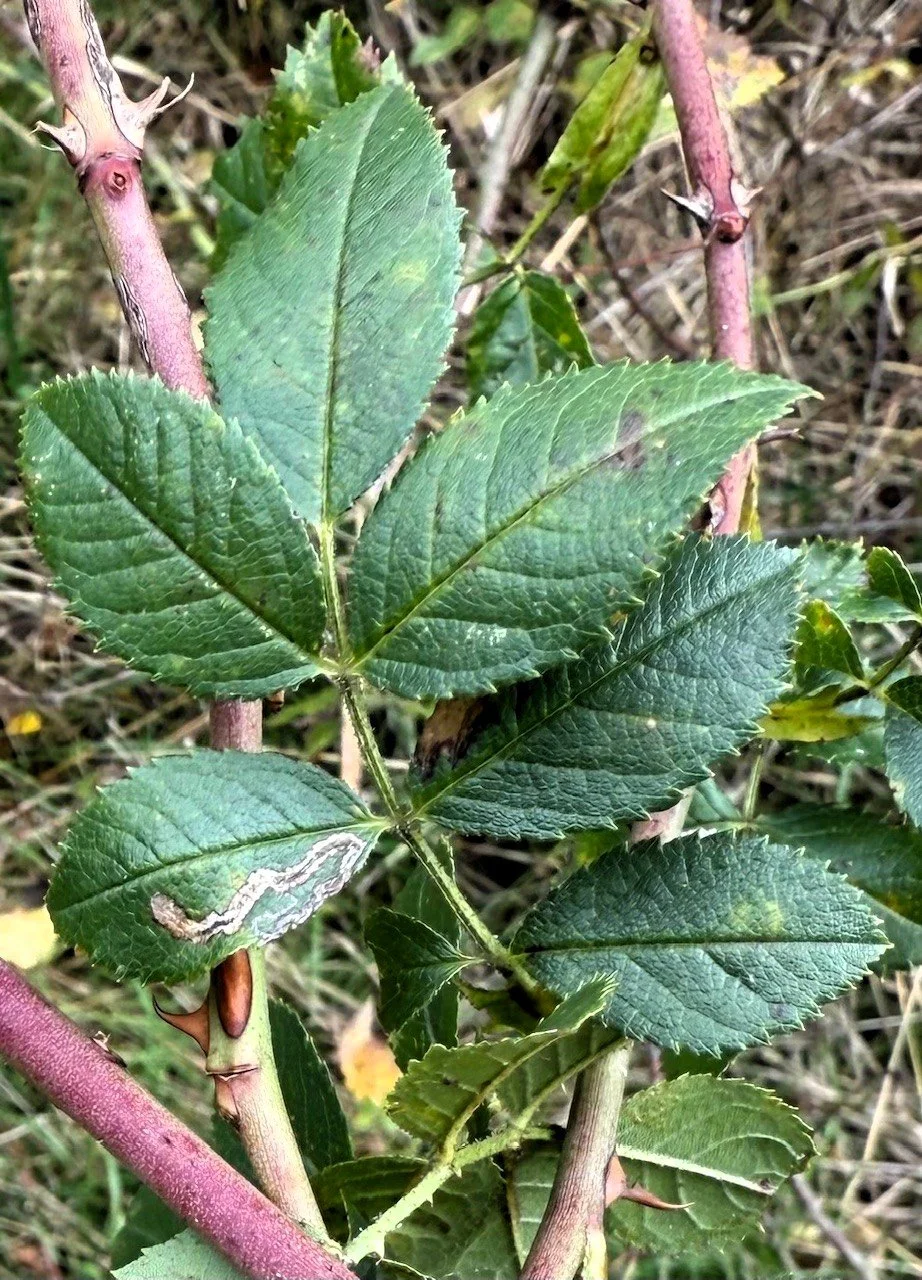
Dog Rose has also traditionally been used topically for wounds and irritated skin. The astringency of the leaves helps to tone and protect damaged tissue. Modern research into Rosa canina has found antioxidant, anti-inflammatory, and antibacterial activity, particularly in studies of the leaves and hips.
While rose is often associated with emotional wellbeing, skincare and women's health, it is worth remembering that these traditions do not necessarily refer specifically to Rosa canina. For Dog Rose, the better-established herbal traditions focus on its astringent and restorative qualities, digestive uses, and its anti-inflammatory and antimicrobial potential.
Disclaimer
This content is for educational purposes only and is not a substitute for professional medical advice, diagnosis, or treatment. Always consult a qualified medical practitioner/herbalist before starting a new herbal regimen.
Always exercise extreme caution and use multiple sources to verify positive identification when foraging and consuming wild plants. Improper identification can be deadly. Don’t forage near heavily trafficked roads, areas with industrial pollution, and agricultural field edges that may have been sprayed with pesticides. Also, consider that local councils often spray weedkiller in densely populated areas where many medicinal herbs grow.
Books & Websites Referenced
Ali English - Wild Medicine: A Seasonal Journey with Medicinal Plants
Anne McIntyre - The Complete Herbal Tutor
Anne McIntyre - The Complete Women’s Herbal
Lucy Jones - A Working Herbal Dispensary: Respecting Herbs as Individuals
https://wlgf.org/plants/garden-wild-plants/woody-plants/hedge-plants/dog-rose/
http://www.wildflowerweb.co.uk/plant/412/dog-rose
Common Mallow - The Gentle Soother
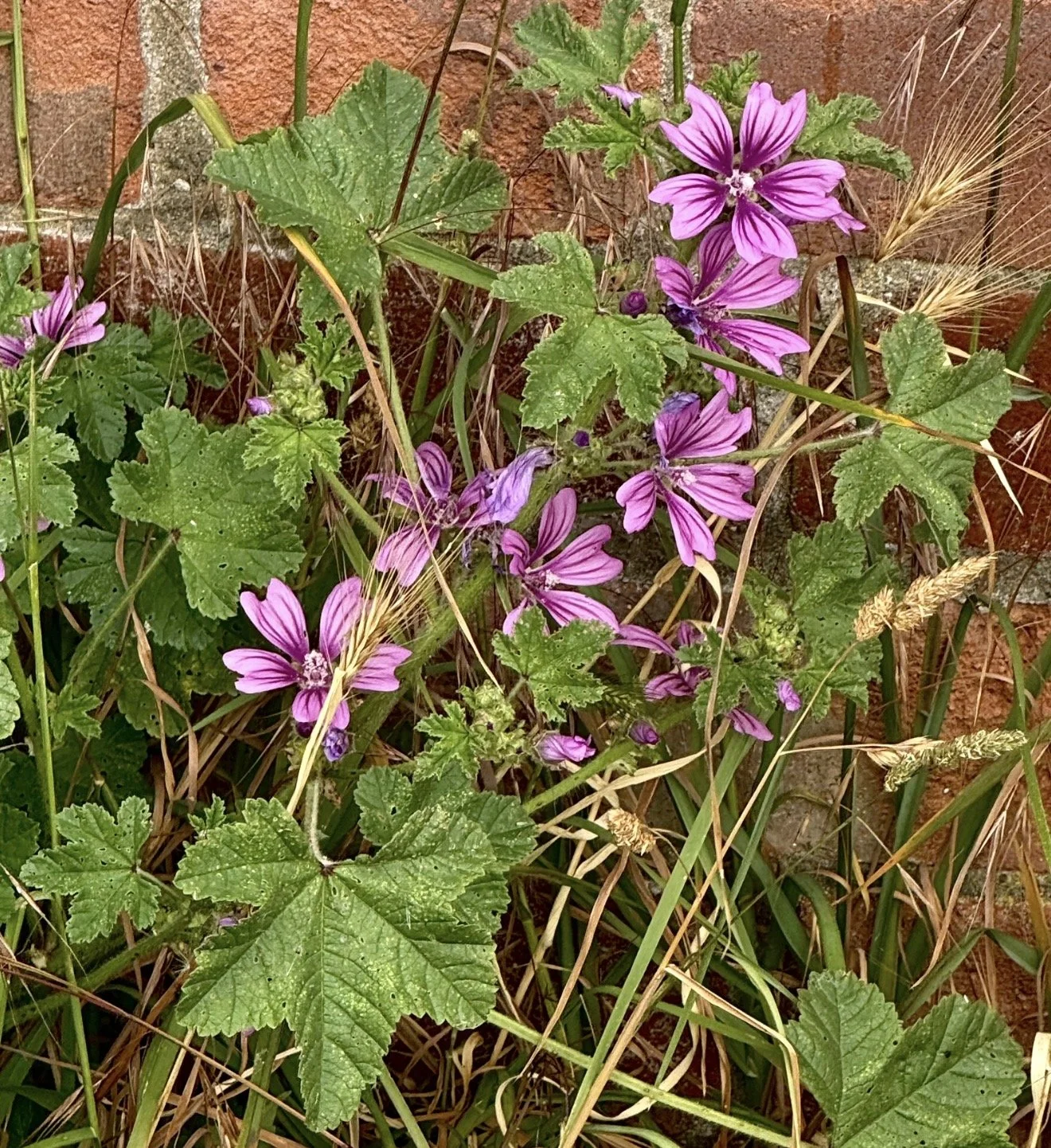
Malva sylvestris
Folk Names: Wood Mallow, Tall Mallow, Blue Mallow
Parts used: Leaves and flowers
Energetics: Moist, sweet, slightly cooling
The Mallow family name, Malvaceae, originates from Malva, which is the Latin word for the mallow plant. This Latin term is rooted in ancient Greek and roughly translates to ‘soft’. The name sylvestris means “of the woods” or “wild”.
The common mallow has been outshone by its more widely known relative, Marshmallow (Althaea officinalis), but I think this humble perennial plant still deserves the spotlight. It’s much more commonly seen in the wild, and it has many medicinal benefits. You may have walked past this plant for years. I see it dotted all over my local area in the warmer months, and it’s a lovely colourful addition to hedgerows and riverside paths and is beloved by insects. The open nectar-rich flowers are very attractive to honeybees, bumblebees, hoverflies and butterflies, making it a valuable addition to wildlife gardens.
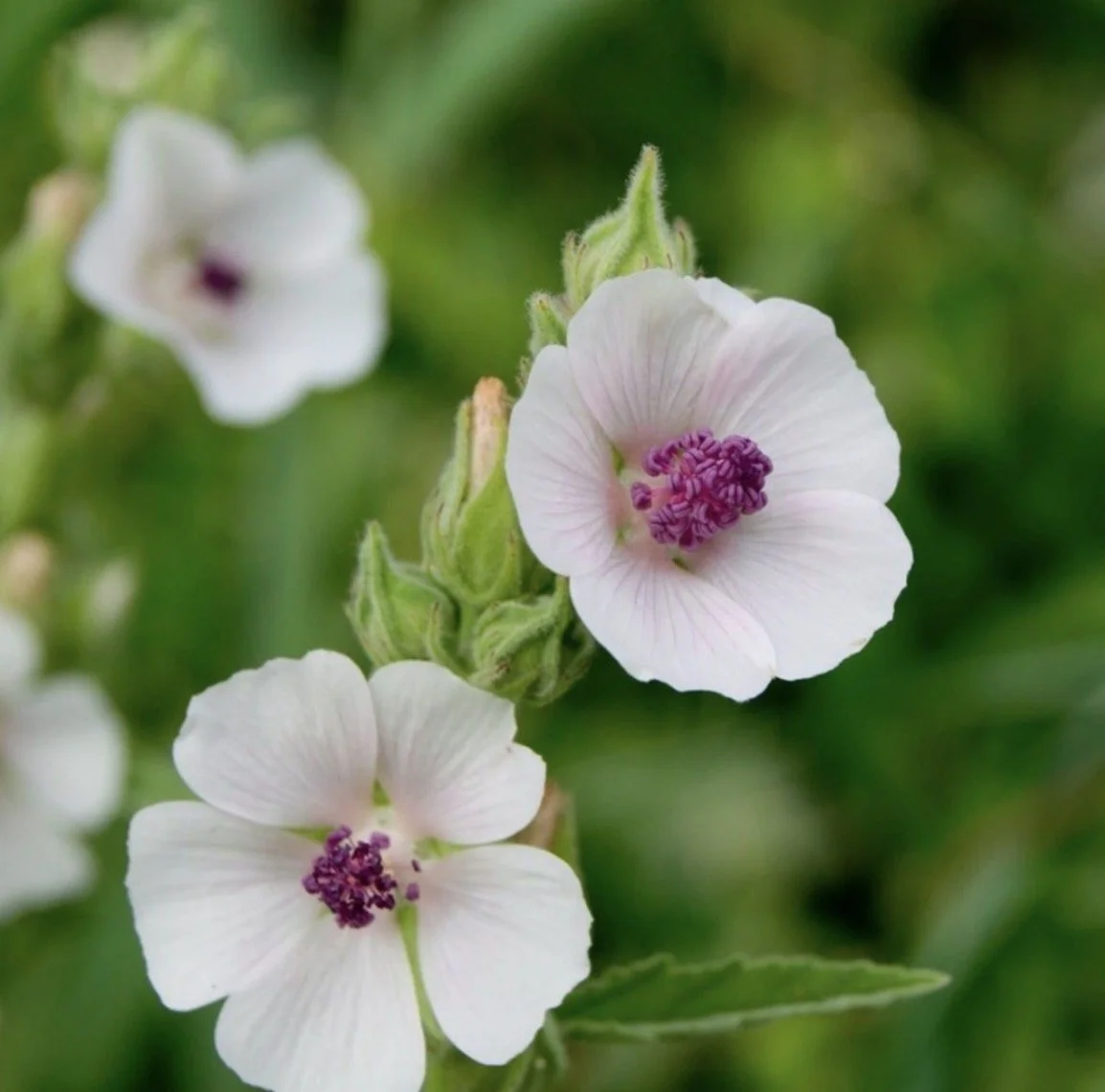
Marshmallow - Althaea officinalis
Common mallow has many of the same benefits as Marshmallow. It has a high mucilage content, which means it’s very soothing. This makes it a great herb to utilise when treating inflammation, inside and outside the body. When taken internally, usually as a tea, it is an effective herb for treating dry coughs, colds, stomach upset, and stomach ulcers.
When applied as a poultice, it’s useful for treating bruises, swelling, insect bites and stings. Historically, the flowers were chewed to alleviate a toothache. The leaves are rich in antioxidants and a source of fibre.
It is believed that the Romans introduced Common Mallow to the UK, as both an edible plant and a medicinal plant. It has since become fully naturalised in the wild. The plant was considered a ‘cure-all’ in medieval herbal medicine and was used to treat multiple conditions. Journalist and traveller William Cobbett (c. 1820s) is quoted as saying “a person must be almost criminally careless not to make a provision of this herb”. Culpeper, the famous 17th-century English herbalist, described making a mallow liquor to treat his unwell child, with great success.
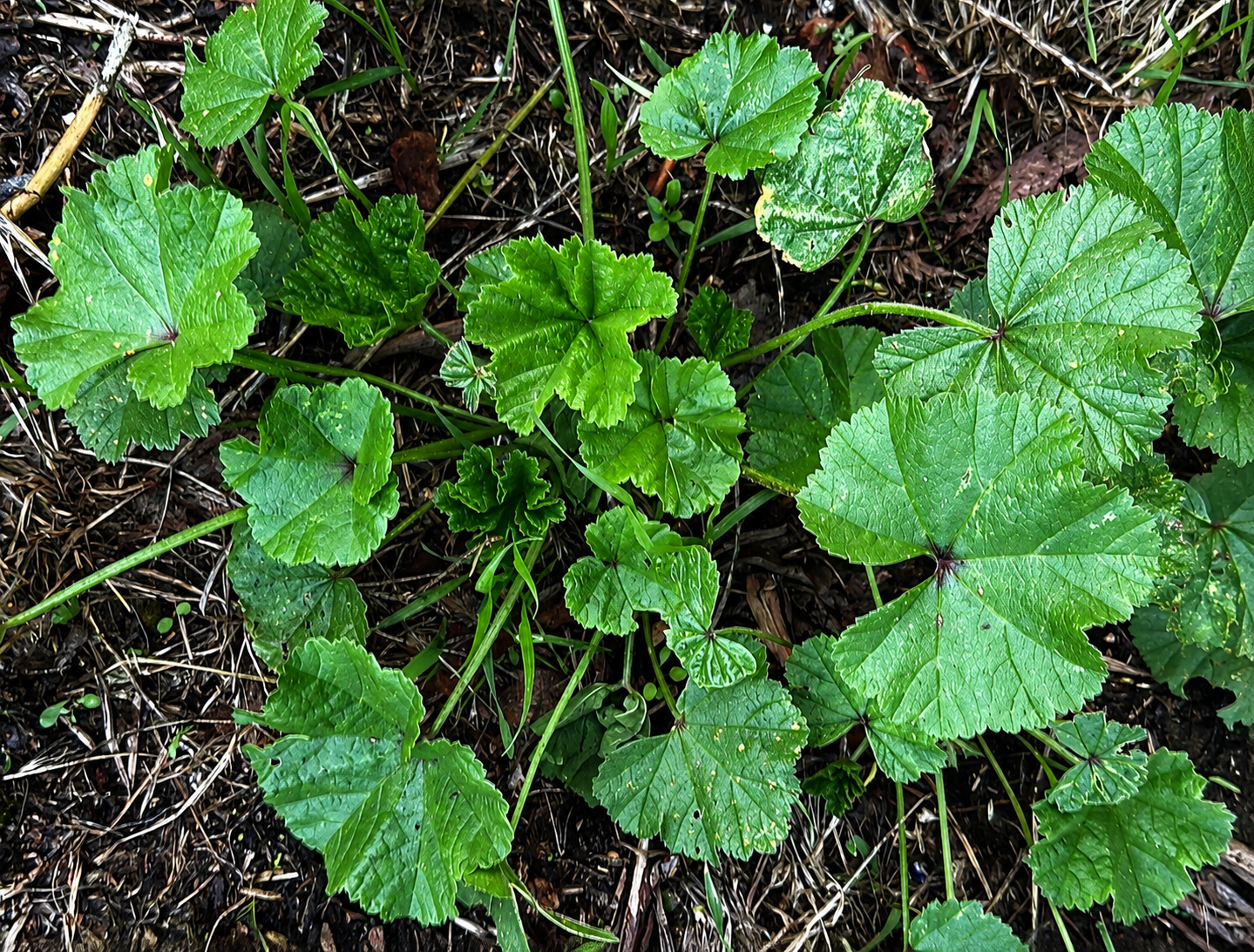
Common Mallow Leaves
Common mallow leaves are best harvested when the leaves are a healthy bright green, before the plant flowers. The flowers and flower buds can be picked in summer, but it is worth considering spring weather conditions. Due to the intense heat of Spring 2026, harvesting could have started in early May. Mallow also produces disc-shaped seeds that are edible and can be eaten as a snack. Traditionally, they are referred to as ‘cheeses’ or ‘fairy cheeses’. Isn’t that adorable? A lovely fact to share if you’re taking plant enthusiasts on a herb walk or introducing children to local flora and fauna.
Caution
When harvesting the leaves, look out for signs of Mallow rust. Large doses can cause a laxative effect. The seeds may be poisonous if ingested in large quantities.
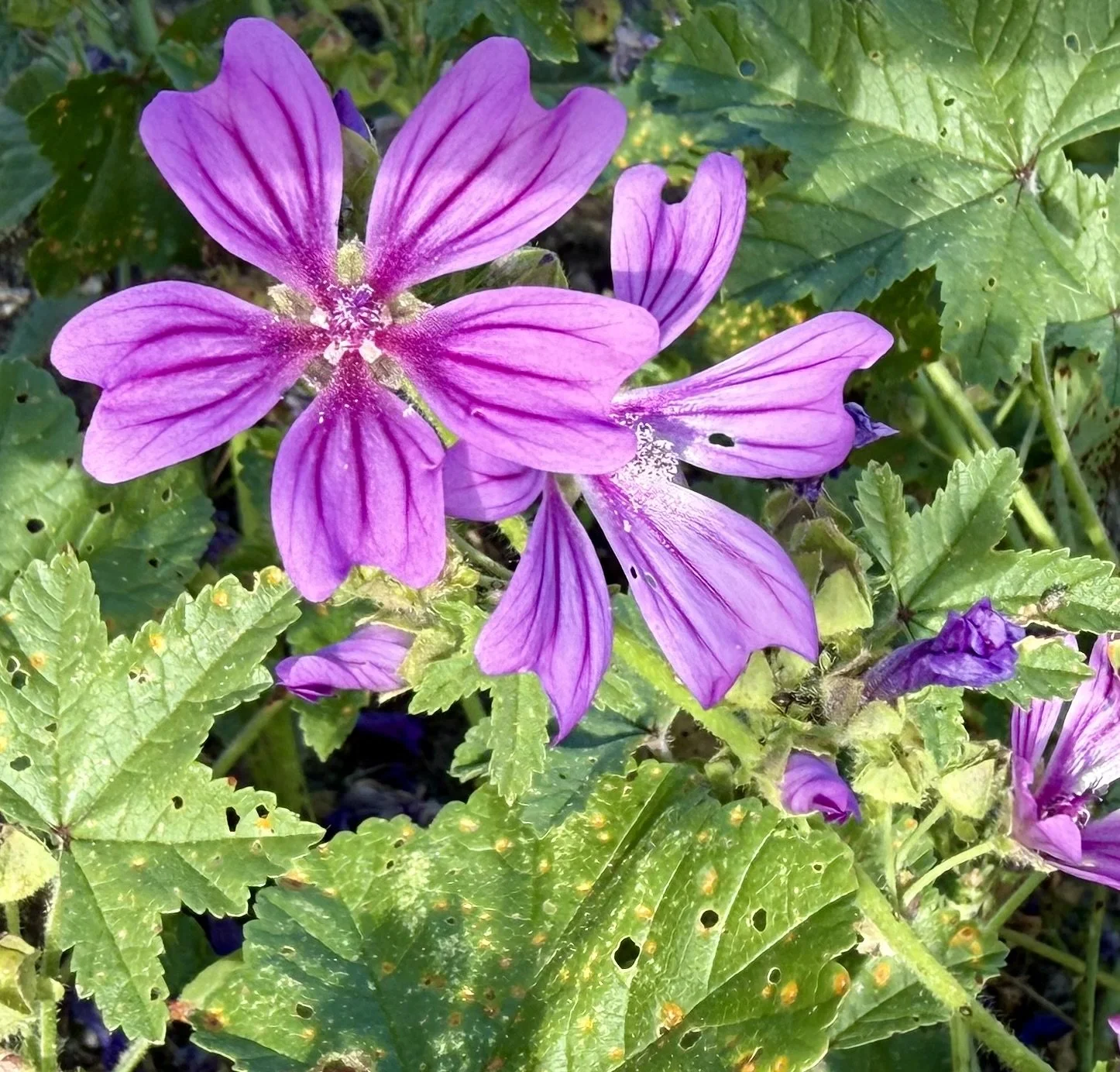
Mallow rust - visible here on the leaves. A common fungal disease caused by Puccinia malvacearum, which is known for primarily attacking the Malvaceae family.
Disclaimer
This content is for educational purposes only and is not a substitute for professional medical advice, diagnosis or treatment. Always consult a qualified medical practitioner/herbalist before starting a new herbal regimen.
Always exercise extreme caution and use multiple sources to verify positive identification when foraging and consuming wild plants. Improper identification can be deadly. Don’t forage near heavily trafficked roads, areas with industrial pollution, and agricultural field edges that may have been sprayed with pesticides. Also, consider that local councils often spray weedkiller in densely populated areas where many medicinal herbs grow.
Books Referenced:
Julie Bruton-Seal & Matthew Seal – Hedgerow Medicine
Robin Harford – Edible and Medical Wild Plants of Britain and Ireland
Elizabeth M. Williamson - Potters Herbal Cyclopaedia
Nettle - Nature’s Prickly Powerhouse
Urtica dioica
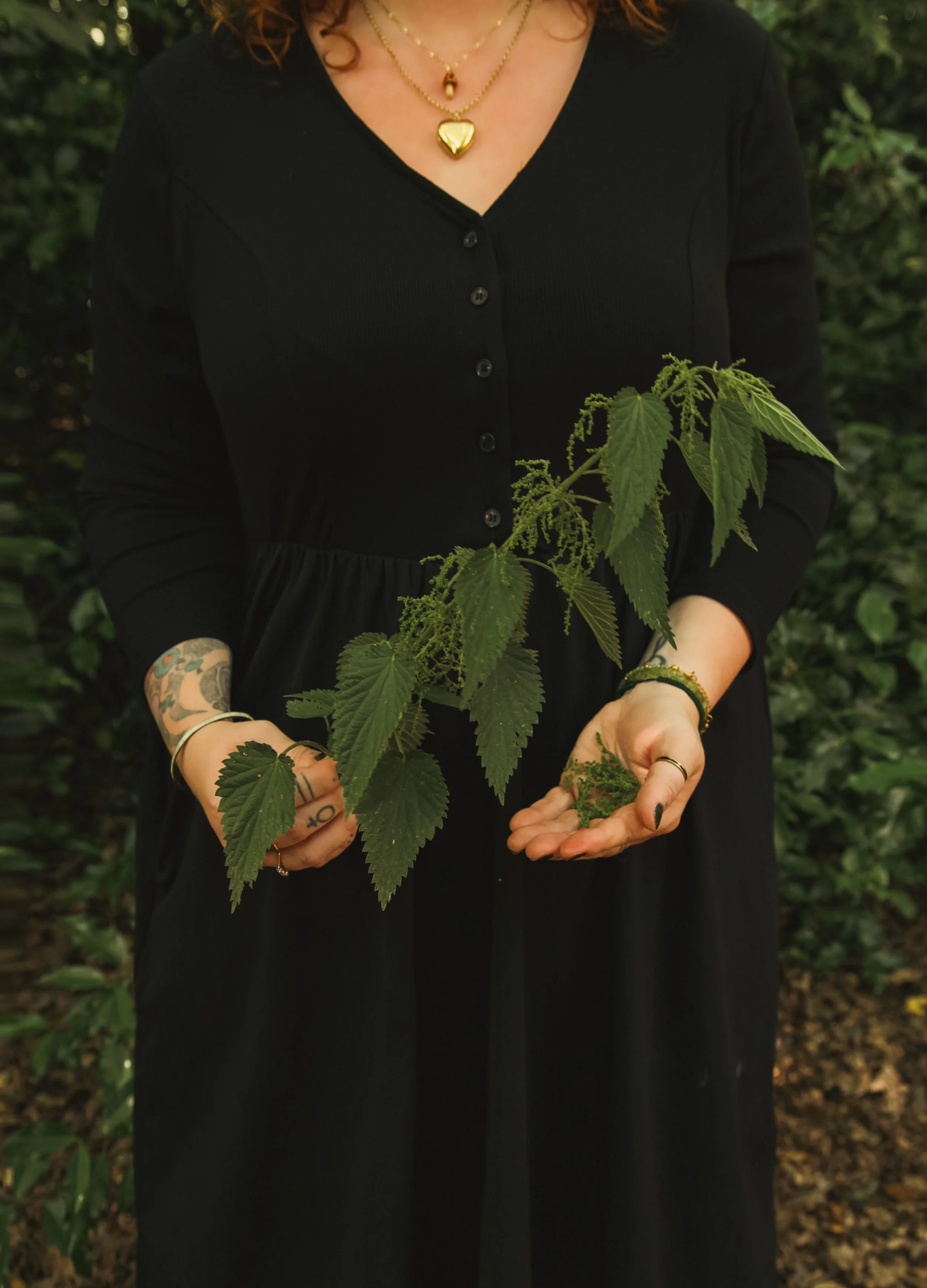
Folk Names: Stinging Nettle, Devil’s Plaything, Hoky-Poky, Burn Nettle
Parts used: Leaves, roots, and seeds
Energetics: Dry, salty, and slightly bitter
Nettles are part of the Urticaceae plant family. This upright, perennial plant is commonly found in woods, wastelands, riverbanks, farmland, roadsides, and everywhere in between. Nettle is both revered and reviled, and is so widespread and easily recognised that it doesn’t need much of an introduction.
The name Nettle comes from the Anglo-Saxon word “noedl” or needle, likely referring to the needle-like hairs that cause the plant’s memorable sting. Most of us will have a childhood memory of brushing past, or worse, falling into a nettle patch. In my 35 years, I’ve lost count of how many times I have fallen into a nettle patch, but I have never been regarded as graceful, so it’s not that surprising.
The hairs on the plant contain formic acid, which is what causes the sting when you touch it. Interestingly, the juice from the Nettle leaves is an effective remedy for the sting, due to polyphenols and anti-inflammatory compounds within the plant.
Some gardeners welcome the medicinal plant that pops up each Spring; however, many of us spend hours ripping out the dense mat of roots growing beneath the soil of our beloved vegetable patches and flower beds, cursing the rapidly spreading plant for taking so much time away from the more exciting gardening tasks we look forward to as the weather warms up.
These never-ending roots also have medicinal benefits, but I’ll come back to that later. I hope this post will help you find new and interesting ways to utilise Nettle, rather than view it as purely an annoyance.
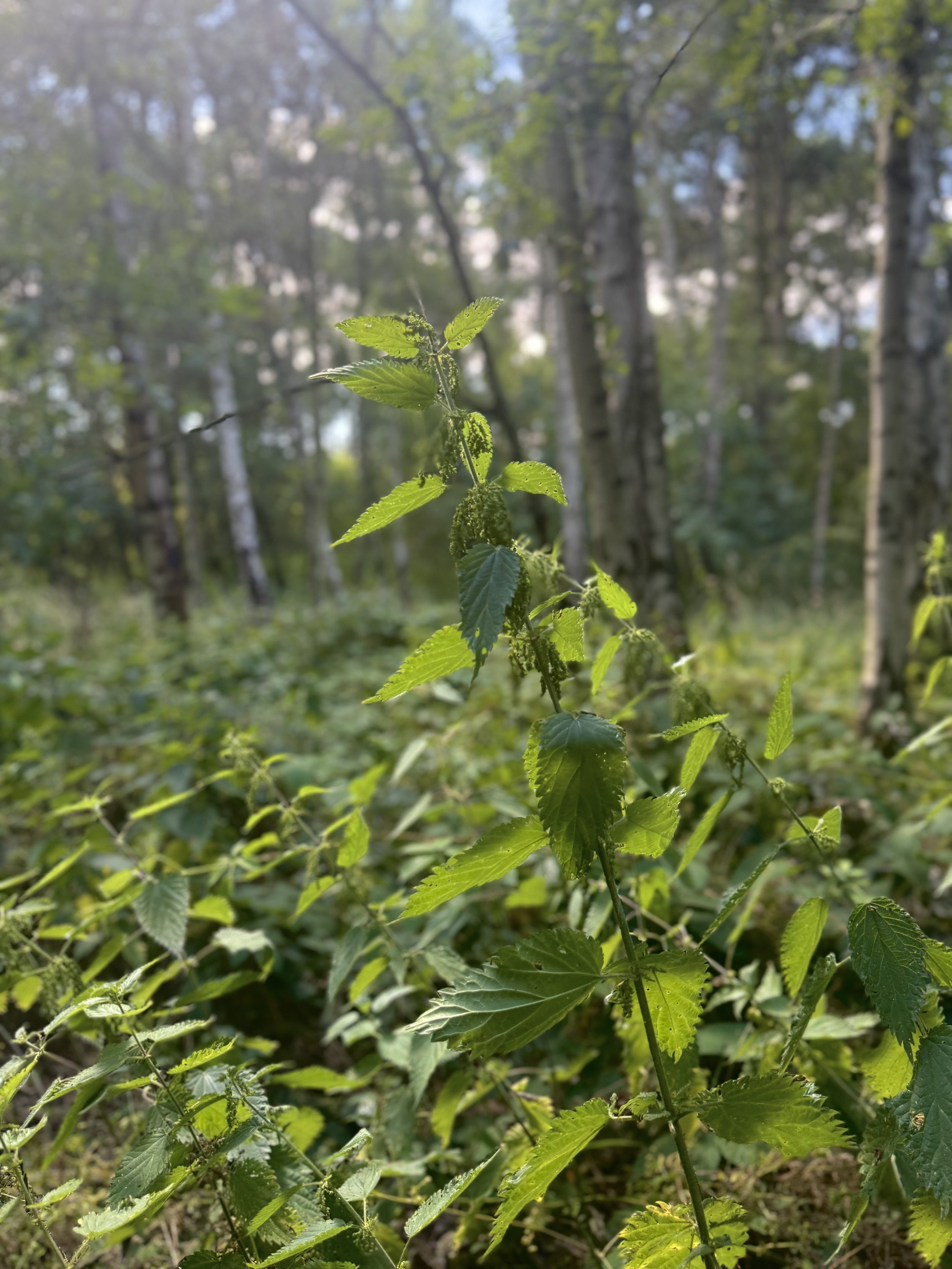
Nettle is a highly nutritious herb, a powerhouse hiding in plain sight. A nourishing tonic that has been used for centuries, rich in vitamins and minerals, particularly iron (making it effective for treating anaemia, even in pregnancy, breastfeeding and postpartum stages), potassium and Vitamin C. Nettle encourages the elimination of waste products, particularly urates, thus cleansing the body, as well as restoring and nourishing it. This means that Nettle has a healing effect on the kidneys, making it an effective remedy for kidney disease and gout.
“When in doubt, give nettles.”
David Hoffman FNIMH
Author of Medical Herbalism: The Science and Practice of Herbal Medicine
Nettle can help with allergies, asthma, and eczema due to its antihistamine content, and its astringent (drying) action can help heal wounds, burns, and inflammation when applied topically. Many herbalists believe Nettle seeds are an adaptogen, a plant or mushroom that helps us deal more effectively with stress. The seeds provide adrenal support, helping to treat adrenal burnout or fatigue.
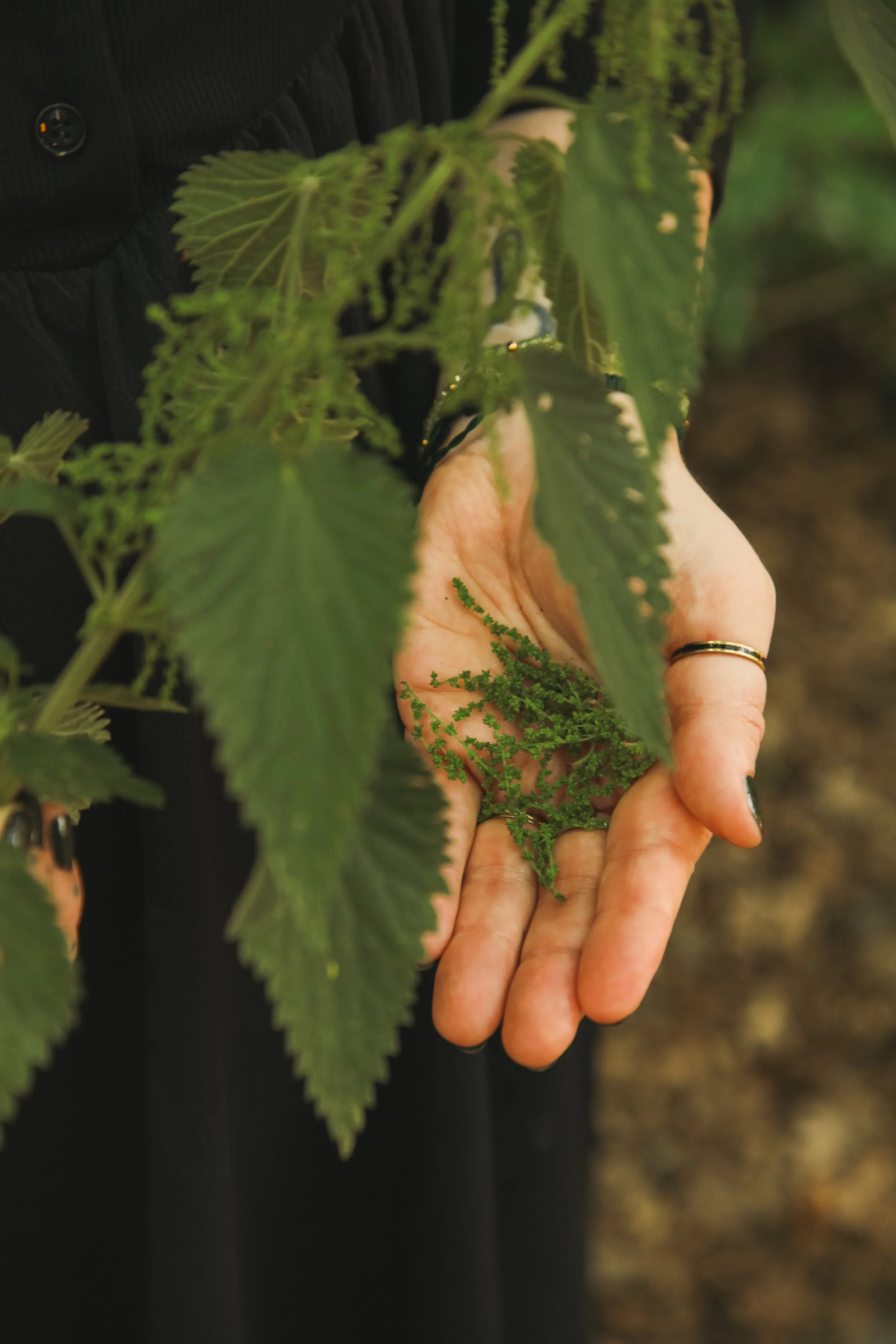
An interesting historical use of Nettle is urtification – applying raw nettles to the skin to improve circulation and blood flow. Roman soldiers famously rubbed nettles onto their bare skin to promote circulation and stay warm. This practice can help to reduce symptoms of arthritis and joint issues, but it is not for the faint of heart.
A good, general digestive tonic, the drying action of Nettle can also help to treat colic and diarrhoea. Another benefit of taking nettle internally is that it promotes healthy hair, skin, and nails due to its circulatory action and abundance of vitamins and minerals. You can also make a nettle hair rinse and use it topically, as regularly as you’d like, for added shine and to improve scalp health.
There are many other uses for the humble Nettle, besides the nutritional and medicinal benefits described above. Historically, the strong stems have been used to make clothes, paper, rope, and nets. There are lots of instructional videos online, detailing how to make Nettle cordage, a bushcraft survival skill that dates all the way back to the Iron Age. The vibrant green colour of the plant was historically used in Scotland and Ireland to create dye and cloth and was associated with St Patrick’s Day. Nettle also makes a brilliant plant food, especially when combined with Comfrey (Symphytum officinale).
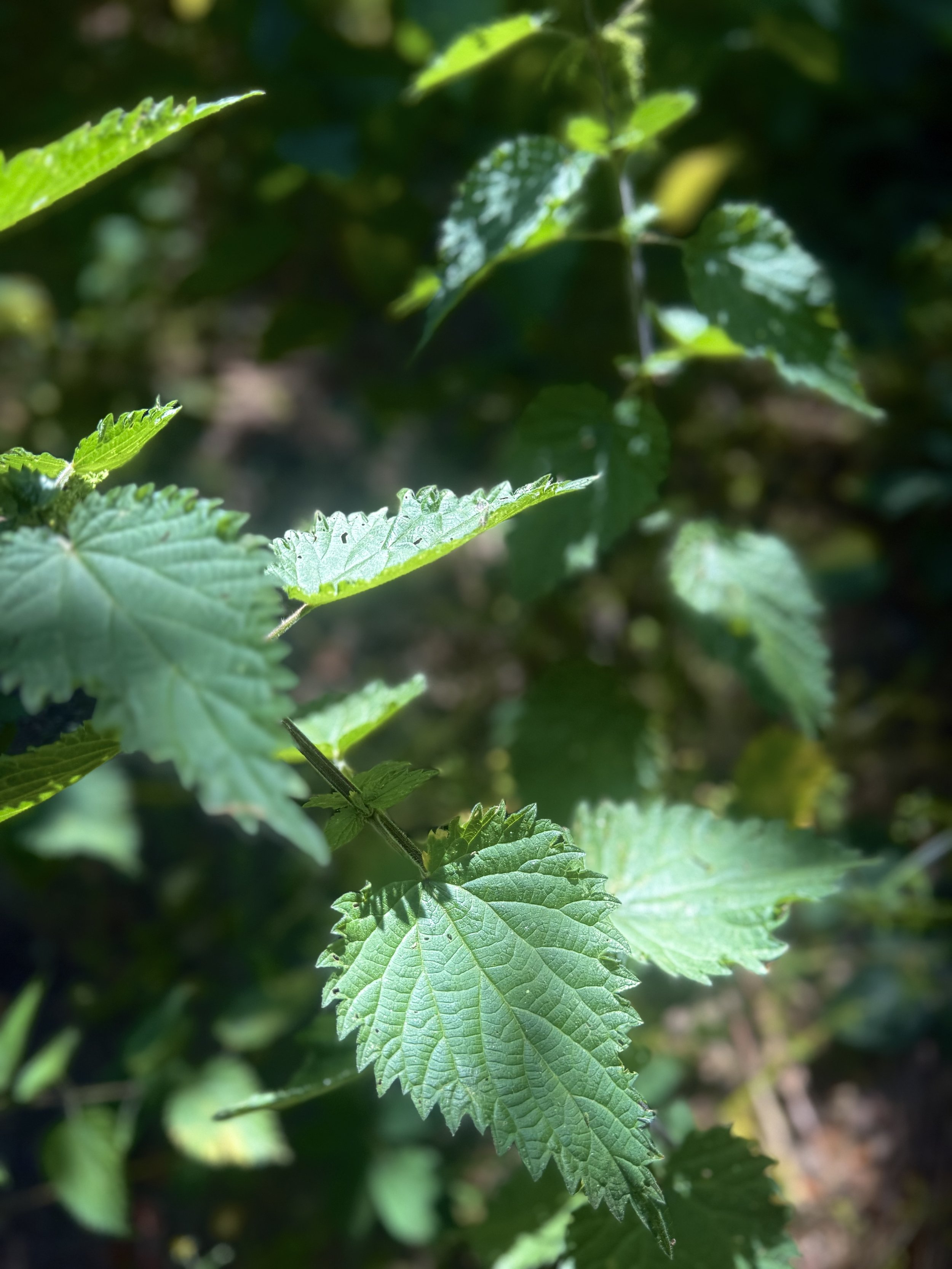
You can use the herb fresh or dried, but it’s at its most beneficial when used fresh. Two of the most common ways of taking the plant are nettle tea or soup. When cooked or steamed, nettle tastes similar to spinach or cabbage, so I would advise mixing it with other herbs and spices when preparing nettle tea to make it more palatable.
Other lovely ways to use the plant are by making a tincture, syrup, an infused oil, balm, or salve. The seeds are often used fresh or dried in salads, stews, and soups. I’ve even seen people sprinkle them over porridge or blend them into smoothies for breakfast.
Ideally, harvest the plant before it flowers, during the spring, but it can be harvested at any time of year. The seeds appear in the warmer summer months. If you are harvesting the seeds to plant in your own garden or allotment, I recommend confining them to a pot to avoid being overrun. Nettle roots are used to treat benign prostate enlargement, infections, and inflammation, and are best dug up in the Autumn and winter months. Make sure to use a sturdy garden fork, as they are often tangled and far longer than you realise.
While nettle doesn’t necessarily need a caution note (and at the risk of stating the obvious), I strongly recommend a thick pair of gloves when gathering nettle, or even two pairs of gloves, just to be safe! And don’t forget to cover your arms as the tall stems tend to flop over as you pluck them from the ground.
Disclaimer
This content is for educational purposes only and is not a substitute for professional medical advice, diagnosis or treatment. Always consult a qualified medical practitioner/herbalist before starting a new herbal regimen.
Always exercise extreme caution and use multiple sources to verify positive identification when foraging and consuming wild plants. Improper identification can be deadly. Don’t forage near heavily trafficked roads, areas with industrial pollution, and agricultural field edges that may have been sprayed with pesticides. Also, consider that local councils often spray weedkiller in densely populated areas where many medicinal herbs grow.
Books Referenced
Ali English – Wild Medicine: A Seasonal Journey with Medicinal Plants
Anne McIntyre – The Complete Women’s Herbal
Julie Bruton-Seal & Matthew Seal – Hedgerow Medicine
Julie Bruton-Seal & Matthew Seal - The Herbalists Bible
John Wright - River Cottage Handbook No.7: Hedgerow
Lucy Jones – Self-sufficient Herbalism
Lucy Jones – A Working Herbal Dispensary: Respecting Herbs as Individuals
Robin Harford – Edible and Medical Wild Plants of Britain and Ireland
Yarrow - The Soldier’s Woundwort
Yarrow (Achillea millefolium) is one of the most valued first aid plants in herbal medicine, traditionally used to stop bleeding, support wound healing, reduce fevers, and encourage the body’s natural detoxification processes. With its distinctive feathery leaves and rich folklore spanning ancient Greece to medieval Britain, this versatile herb has long been associated with protection, healing and courage. Discover its medicinal properties, magical history, identification tips, and important safety considerations.
Achillea millefolium
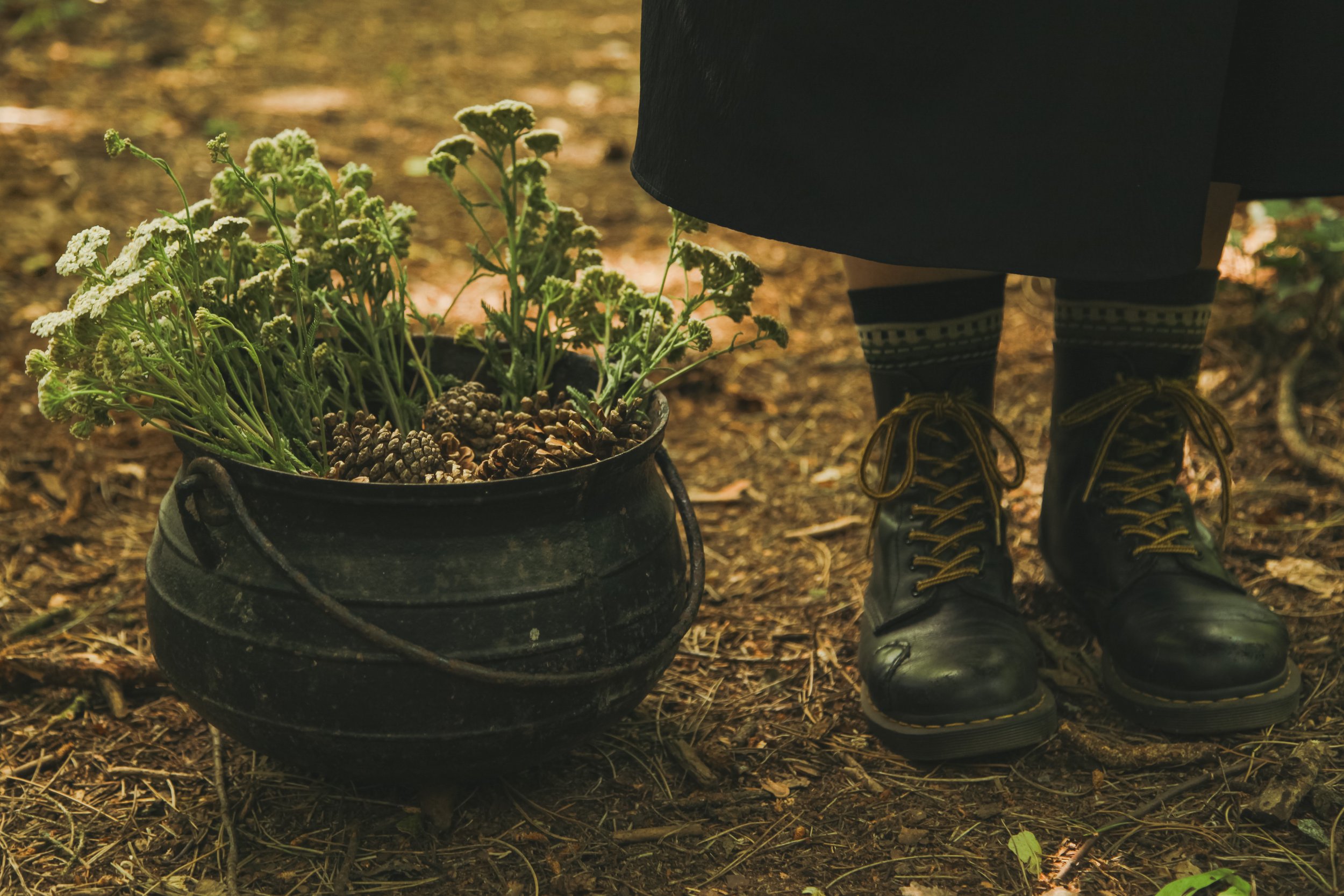
Folk names: Soldier’s woundwort, Milfoil, Devil’s plaything, Devil’s nettle, Staunch weed, Bloodwort
Parts used: The whole plant
Energetics: Bitter, cooling & stimulating
Yarrow is part of the Asteraceae family. Other members of this plant family include Dandelion and Daisy.
The name Achillea means “herb of Achilles”. The centaur Chiron taught Achilles how to use the herb to treat his soldiers’ wounds during the Trojan War. This is due to Yarrow’s powerful styptic (stopping bleeding) action. When applied topically, it also has a vulnerary action, meaning it promotes tissue repair, healing, and wound closing. Unsurprisingly, it’s a popular first aid treatment, particularly for nosebleeds. Other topical uses are for the treatment of toothache and hair loss.
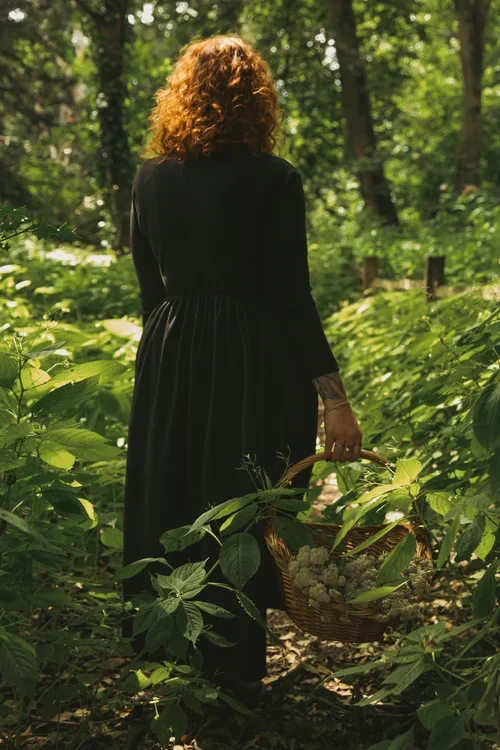
A herb with a long history spanning tens of thousands of years, Yarrow is a powerful diaphoretic, meaning it induces sweating and increases circulation to the skin's surface. When taking Yarrow internally, the body will break out into a healing sweat, lowering the body temperature and making it an effective treatment for fevers and inflammatory heat. The medicinal actions don’t stop there. As well as being an astringent (drying), anti-inflammatory, antiseptic, antispasmodic herb, Yarrow assists the lymphatic system and kidneys to help flush out toxins and metabolic waste. Its effect on the circulatory system makes it a suitable herb when treating Raynaud’s disease.
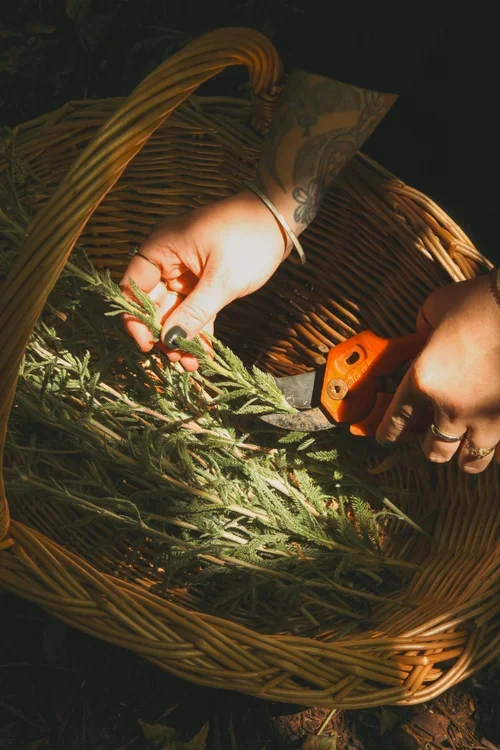
The plant has a deep-rooted history in both eastern and western mysticism. During the Middle Ages, Yarrow was used by and against witches, and to keep evil spirits away and ward off negativity. Druids used Yarrow stalks as divination tools, believing that it would help with love, amplify their intuition, help them seek spiritual guidance, and to predict the weather. When worn, it is believed that Yarrow protects the wearer and removes fear.
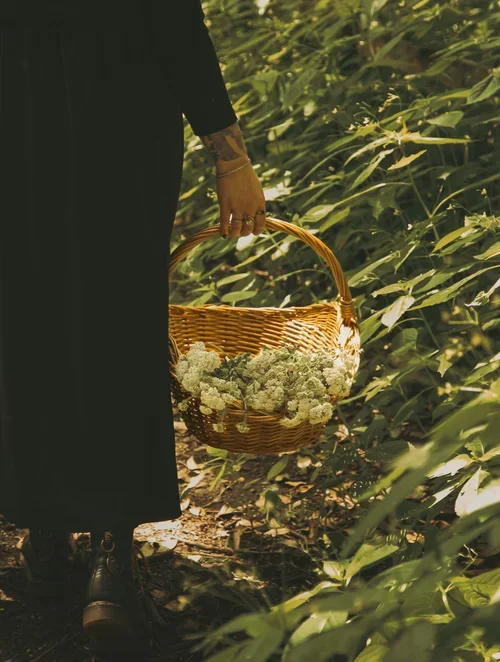
The name millefolium means “thousand-leaved” and refers to the feathery leaves of the plant. The distinctive fern-like leaves make it easier to identify when foraging. In Lincolnshire, I often find it growing prolifically along riverbanks, in woodlands, meadows, parks, and on roadsides. It is best gathered when the plant is in flower during the warmer months.
Caution
Avoid during pregnancy and with very young children. Avoid if you have a known allergy to other members of the Asteraceae family. Large doses may cause headaches.
Disclaimer
This content is for educational purposes only and is not a substitute for professional medical advice, diagnosis or treatment. Always consult a qualified medical practitioner/herbalist before starting a new herbal regimen.
Always exercise extreme caution and use multiple sources to verify positive identification when foraging and consuming wild plants. Improper identification can be deadly. Don’t forage near heavily trafficked roads, areas with industrial pollution and agricultural field edges that may have been sprayed with pesticides. Local councils often spray weedkiller in densely populated areas where many plants grow.
Books Referenced
Lucy Jones – A Working Herbal Dispensary: Respecting Herbs as Individuals
Ali English – Wild Medicine: A Seasonal Journey with Medicinal Plants
Julie Bruton-Seal & Matthew Seal – Hedgerow Medicine & The Herbalists Bible
James Green - The Herbal Medicine-Makers Handbook