Nettle - Nature’s Prickly Powerhouse
Urtica dioica
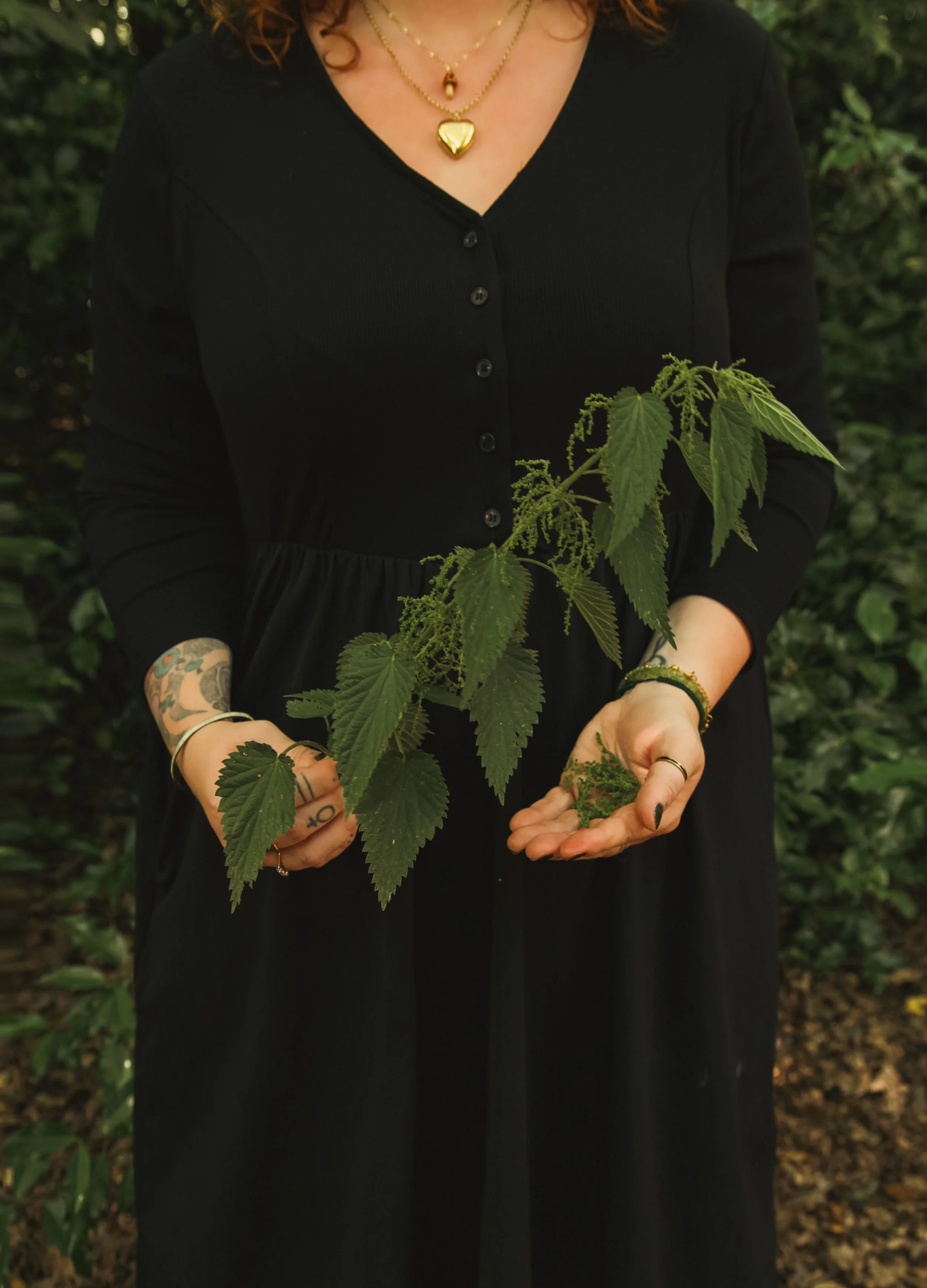
Folk Names: Stinging Nettle, Devil’s Plaything, Hoky-Poky, Burn Nettle
Parts used: Leaves, roots, and seeds
Energetics: Dry, salty, and slightly bitter
Nettles are part of the Urticaceae plant family. This upright, perennial plant is commonly found in woods, wastelands, riverbanks, farmland, roadsides, and everywhere in between. Nettle is both revered and reviled, and is so widespread and easily recognised that it doesn’t need much of an introduction.
The name Nettle comes from the Anglo-Saxon word “noedl” or needle, likely referring to the needle-like hairs that cause the plant’s memorable sting. Most of us will have a childhood memory of brushing past, or worse, falling into a nettle patch. In my 35 years, I’ve lost count of how many times I have fallen into a nettle patch, but I have never been regarded as graceful, so it’s not that surprising.
The hairs on the plant contain formic acid, which is what causes the sting when you touch it. Interestingly, the juice from the Nettle leaves is an effective remedy for the sting, due to polyphenols and anti-inflammatory compounds within the plant.
Some gardeners welcome the medicinal plant that pops up each Spring; however, many of us spend hours ripping out the dense mat of roots growing beneath the soil of our beloved vegetable patches and flower beds, cursing the rapidly spreading plant for taking so much time away from the more exciting gardening tasks we look forward to as the weather warms up.
These never-ending roots also have medicinal benefits, but I’ll come back to that later. I hope this post will help you find new and interesting ways to utilise Nettle, rather than view it as purely an annoyance.
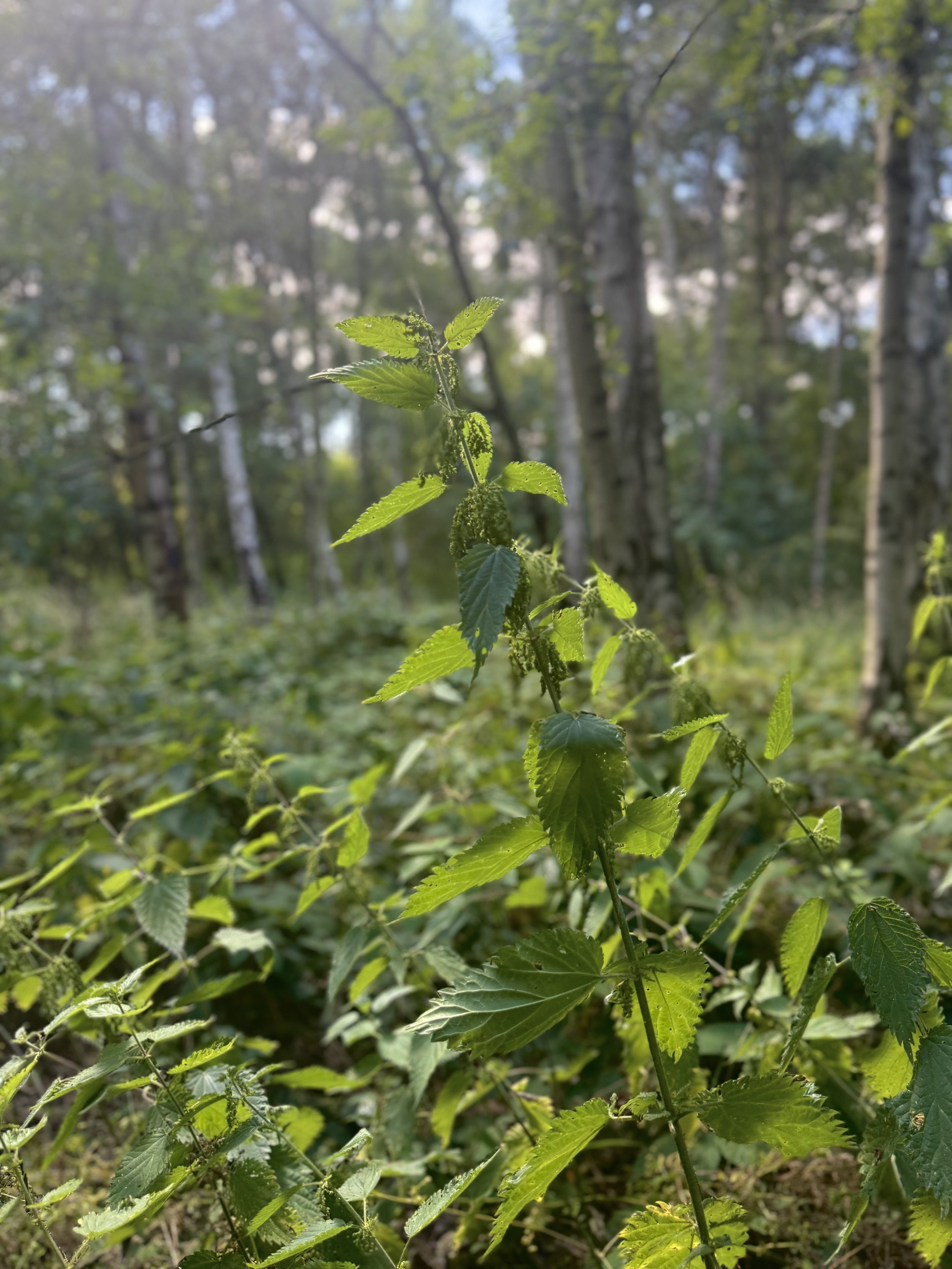
Nettle is a highly nutritious herb, a powerhouse hiding in plain sight. A nourishing tonic that has been used for centuries, rich in vitamins and minerals, particularly iron (making it effective for treating anaemia, even in pregnancy, breastfeeding and postpartum stages), potassium and Vitamin C. Nettle encourages the elimination of waste products, particularly urates, thus cleansing the body, as well as restoring and nourishing it. This means that Nettle has a healing effect on the kidneys, making it an effective remedy for kidney disease and gout.
“When in doubt, give nettles.”
David Hoffman FNIMH
Author of Medical Herbalism: The Science and Practice of Herbal Medicine
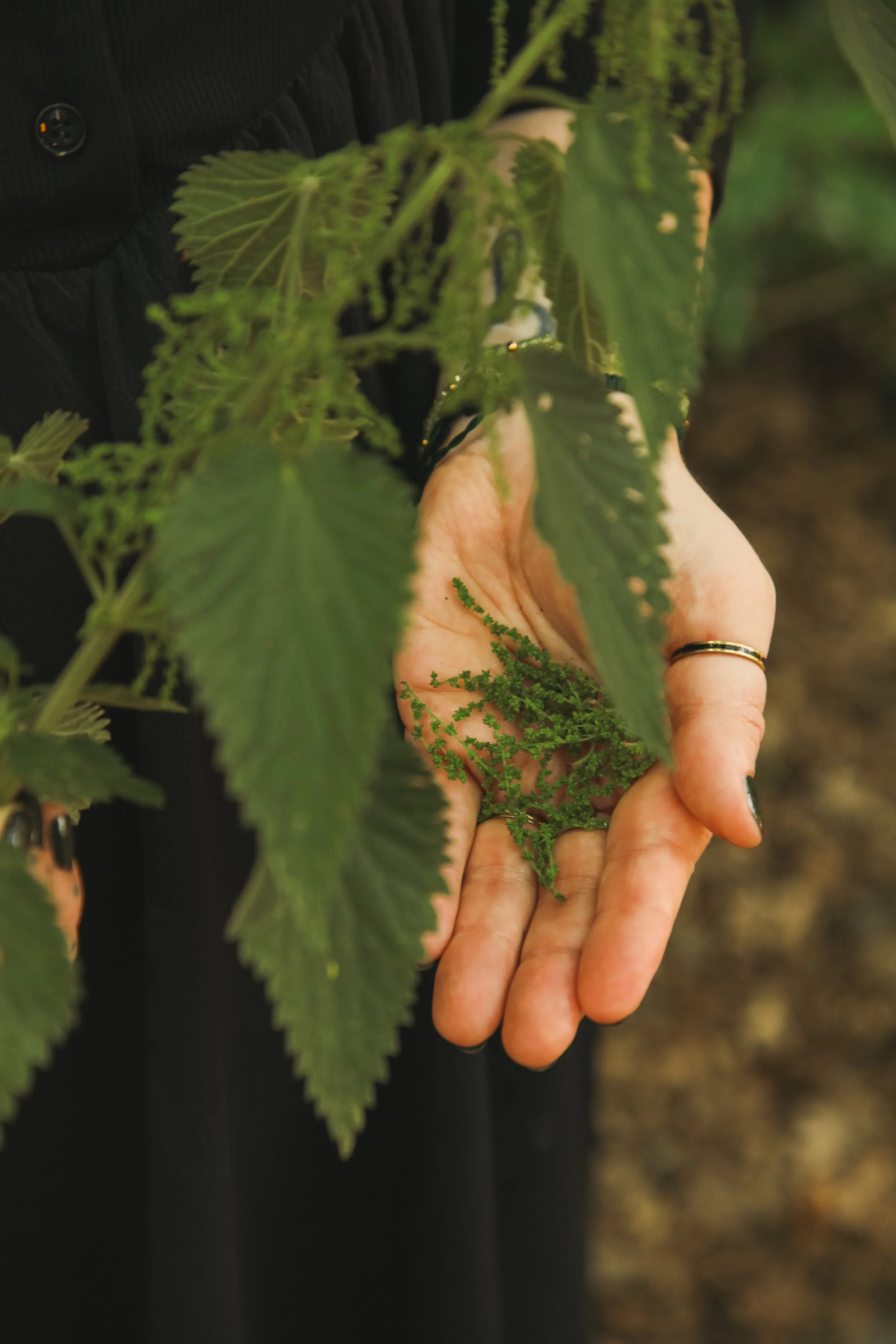
Nettle can help with allergies, asthma, and eczema due to its antihistamine content, and its astringent (drying) action can help heal wounds, burns, and inflammation when applied topically. Many herbalists believe Nettle seeds are an adaptogen, a plant or mushroom that helps us deal more effectively with stress. The seeds provide adrenal support, helping to treat adrenal burnout or fatigue.
An interesting historical use of Nettle is urtification – applying raw nettles to the skin to improve circulation and blood flow. Roman soldiers famously rubbed nettles onto their bare skin to promote circulation and stay warm. This practice can help to reduce symptoms of arthritis and joint issues, but it is not for the faint of heart.
A good, general digestive tonic, the drying action of Nettle can also help to treat colic and diarrhoea. Another benefit of taking nettle internally is that it promotes healthy hair, skin, and nails due to its circulatory action and abundance of vitamins and minerals. You can also make a nettle hair rinse and use it topically, as regularly as you’d like, for added shine and to improve scalp health.
There are many other uses for the humble Nettle, besides the nutritional and medicinal benefits described above. Historically, the strong stems have been used to make clothes, paper, rope, and nets. There are lots of instructional videos online, detailing how to make Nettle cordage, a bushcraft survival skill that dates all the way back to the Iron Age. The vibrant green colour of the plant was historically used in Scotland and Ireland to create dye and cloth and was associated with St Patrick’s Day. Nettle also makes a brilliant plant food, especially when combined with Comfrey (Symphytum officinale).
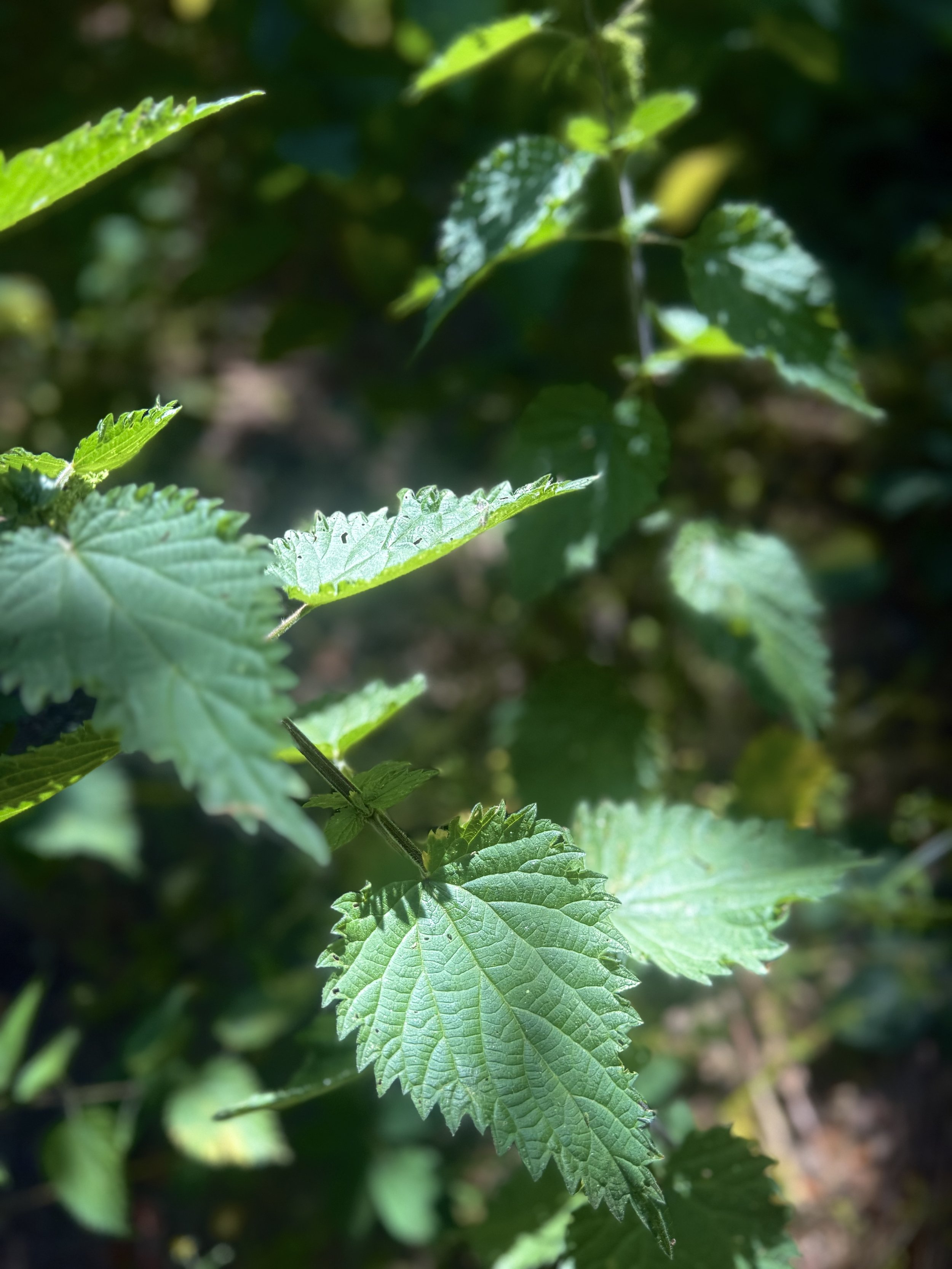
You can use the herb fresh or dried, but it’s at its most beneficial when used fresh. Two of the most common ways of taking the plant are nettle tea or soup. When cooked or steamed, nettle tastes similar to spinach or cabbage, so I would advise mixing it with other herbs and spices when preparing nettle tea to make it more palatable.
Other lovely ways to use the plant are by making a tincture, syrup, an infused oil, balm, or salve. The seeds are often used fresh or dried in salads, stews, and soups. I’ve even seen people sprinkle them over porridge or blend them into smoothies for breakfast.
Ideally, harvest the plant before it flowers, during the spring, but it can be harvested at any time of year. The seeds appear in the warmer summer months. If you are harvesting the seeds to plant in your own garden or allotment, I recommend confining them to a pot to avoid being overrun. Nettle roots are used to treat benign prostate enlargement, infections, and inflammation, and are best dug up in the Autumn and winter months. Make sure to use a sturdy garden fork, as they are often tangled and far longer than you realise.
While nettle doesn’t necessarily need a caution note (and at the risk of stating the obvious), I strongly recommend a thick pair of gloves when gathering nettle, or even two pairs of gloves, just to be safe! And don’t forget to cover your arms as the tall stems tend to flop over as you pluck them from the ground.
Disclaimer
This content is for educational purposes only and is not a substitute for professional medical advice, diagnosis or treatment. Always consult a qualified medical practitioner/herbalist before starting a new herbal regimen.
Always exercise extreme caution and use multiple sources to verify positive identification when foraging and consuming wild plants. Improper identification can be deadly. Don’t forage near heavily trafficked roads, areas with industrial pollution, and agricultural field edges that may have been sprayed with pesticides. Also, consider that local councils often spray weedkiller in densely populated areas where many medicinal herbs grow.
Books Referenced
Ali English – Wild Medicine: A Seasonal Journey with Medicinal Plants
Anne McIntyre – The Complete Women’s Herbal
Julie Bruton-Seal & Matthew Seal – Hedgerow Medicine
Julie Bruton-Seal & Matthew Seal - The Herbalists Bible
John Wright - River Cottage Handbook No.7: Hedgerow
Lucy Jones – Self-sufficient Herbalism
Lucy Jones – A Working Herbal Dispensary: Respecting Herbs as Individuals
Robin Harford – Edible and Medical Wild Plants of Britain and Ireland